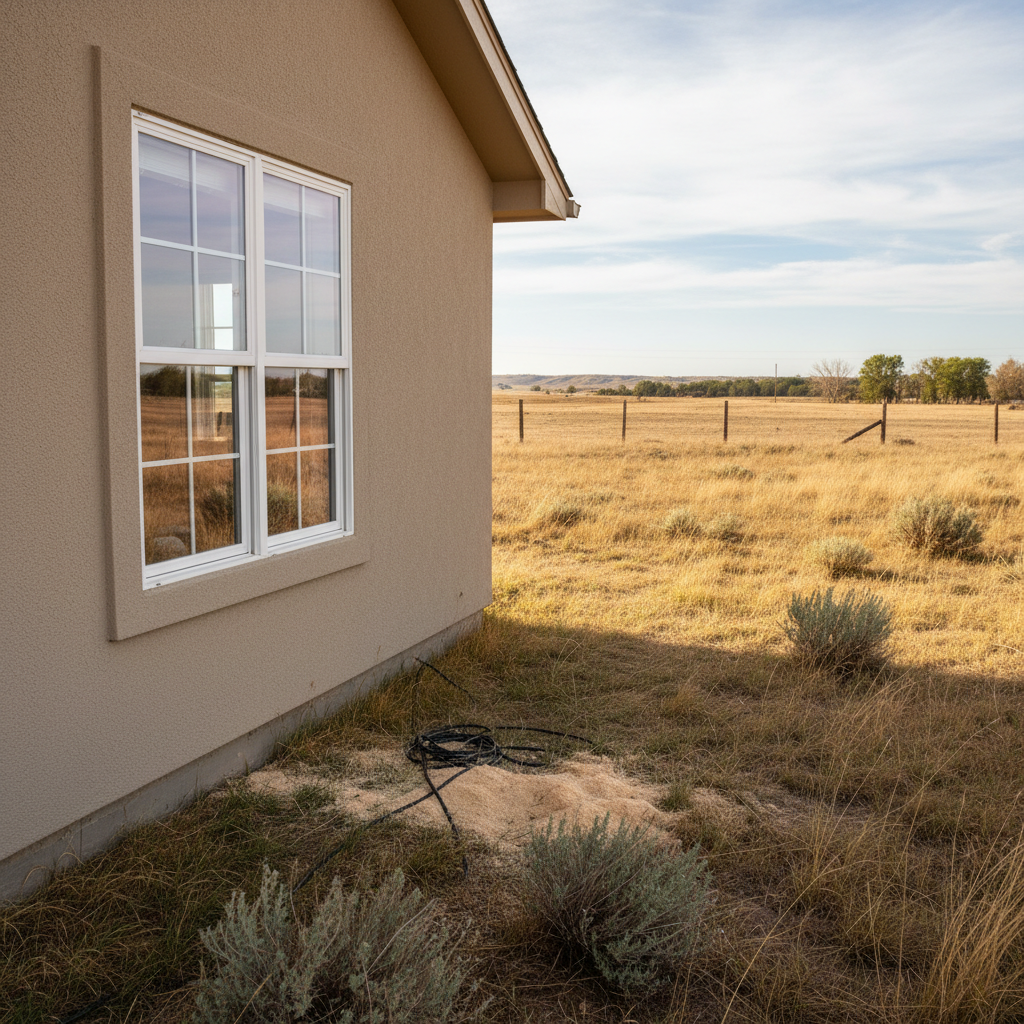
You've put money into good windows, or maybe you've had some repairs done to keep your place comfortable. Smart move. But just like anything else around the house, windows aren't something you can just 'set and forget.' Especially here in Dodge City, where we get everything from scorching summers to brutal winter winds and those sudden, wild hailstorms. A little regular attention really helps make sure your windows keep doing their job for years to come.
Making Your Window Repairs (and New Windows) Last Longer
When I finish a repair or an installation at Western Window Installation Company, I always tell people the same thing: maintenance is key. It's not just about the repair itself; it's about protecting that repair and the rest of your window system. The biggest enemies here? Water and UV rays. Our sun can be pretty intense, and that constant baking, followed by freezing, can seriously wear down materials.
First off, keep those frames clean. Dirt and grime can trap moisture against the frame, which leads to rot or corrosion—especially on older wood frames or metal ones where the paint might be chipping. Just a simple wipe-down a few times a year with a damp cloth usually does the trick. For vinyl, a little mild soap and water works wonders. If you've got wood windows, check that the paint or sealant is in good shape. See any cracking or peeling? Address it. That's practically an open invitation for moisture to sneak in and start causing trouble.
Lubrication is another big one. Moving parts, like sashes that slide up and down or cranks on casement windows, need to move freely. A silicone-based lubricant (never use oil-based on vinyl, it can attract dirt and gunk things up) on the tracks and hinges will prevent wear and tear. You'll notice the difference right away – no more sticking or squeaking, thank goodness.
What Regular Window Maintenance Looks Like
Think of it like a quick seasonal check-up. You don't need to spend all day on it, but a little routine will save you headaches and money down the line.
- Clean Glass: Obvious, I know, but clean glass isn't just for looks. It lets more light in, which can help with passive solar heating in winter, and it lets you spot issues more easily.
- Check Weep Holes: These are the small holes on the bottom of your window frame, usually on the outside. They're there to let water drain out. If they get clogged with dirt, bugs, or debris, water can build up inside the frame and cause damage. Use a small, stiff wire or a toothpick to clear them out.
- Inspect Weatherstripping and Seals: This is crucial for energy efficiency. Run your hand around the edges of a closed window. Feel a draft? That's a sign your weatherstripping might be worn out or compressed. Check the caulking around the exterior of the window frame too. If it's cracked, shrunken, or pulling away from the house or the window, it needs to be repaired or replaced. This is especially important for homes in the older parts of town, like around the historic district, where houses might settle a bit more and cause these seals to break.
- Test Operation: Open and close every window in your house a couple of times a year. Do they operate smoothly? Do they lock securely? If not, something's definitely off.
Warning Signs You've Got a Problem
Sometimes, despite your best efforts, things go wrong. Knowing what to look for can help you catch problems before they turn into major repairs.
- Condensation Between Panes: If you see fog or moisture trapped between the two layers of glass in a double-pane window, that means the seal has failed. Your window isn't insulating properly anymore, and it's letting conditioned air escape.
- Drafts: We already talked about feeling drafts, but sometimes you can hear them too, especially on a windy day. This is a clear sign of air leakage.
- Sticking or Difficulty Operating: If a window is hard to open, close, or lock, it could be due to a bent frame, worn-out hardware, or even foundation issues causing the house to shift.
- Rotting or Warped Frames: For wood windows, look for soft spots, discoloration, or wood that's visibly warping. For vinyl or metal, look for cracks, dents, or significant discoloration.
- Water Stains: Any water stains on the wall around your window, on the sill, or even on the floor below is a big red flag. Water is getting in, and it's going to cause bigger problems like mold or structural damage if not addressed quickly.
When to Call a Professional
Look, I'm a big believer in homeowners doing what they can. But there are times when you really need to bring in someone with the right tools and expertise. If you see any of those major warning signs – especially condensation between panes, significant drafts you can't fix with new weatherstripping, or active water leaks – it's time to call us. Don't try to patch up a failed seal yourself; it's a specialized job. If a window is completely stuck, or if you suspect a structural issue, that's also beyond a DIY fix.
Sometimes, a repair might seem small, but it's a symptom of a larger issue. We've got the experience to diagnose what's really going on and recommend the best course of action, whether it's a simple repair or if it's time to consider a replacement. Getting ahead of these issues can save you a lot of money and grief in the long run, and keep your Dodge City home comfortable and efficient.